


Understanding Pinhole Leaks in Copper Pipes: Copper Pipe Leak Solutions

When you notice a small drip or wet spot on your wall or ceiling, it might be the start of a bigger plumbing issue. One common culprit is pinhole leaks in copper pipes. These tiny leaks can cause significant damage if left unchecked. I’ve seen many cases where a small leak turned into a costly repair. That’s why understanding what causes these leaks and how to fix them is so important. In this post, I’ll walk you through everything you need to know about copper pipe leak solutions, including how to spot problems early and what steps to take to protect your home or business.
What Are Pinhole Leaks and Why Do They Happen?
Pinhole leaks are exactly what they sound like - very small holes that develop in copper pipes. These holes are often no bigger than a pinhead but can cause water to escape steadily over time. The damage might start as a tiny drip but can lead to water stains, mold growth, and even structural damage if ignored.
So, why do these leaks happen? The main reasons include:
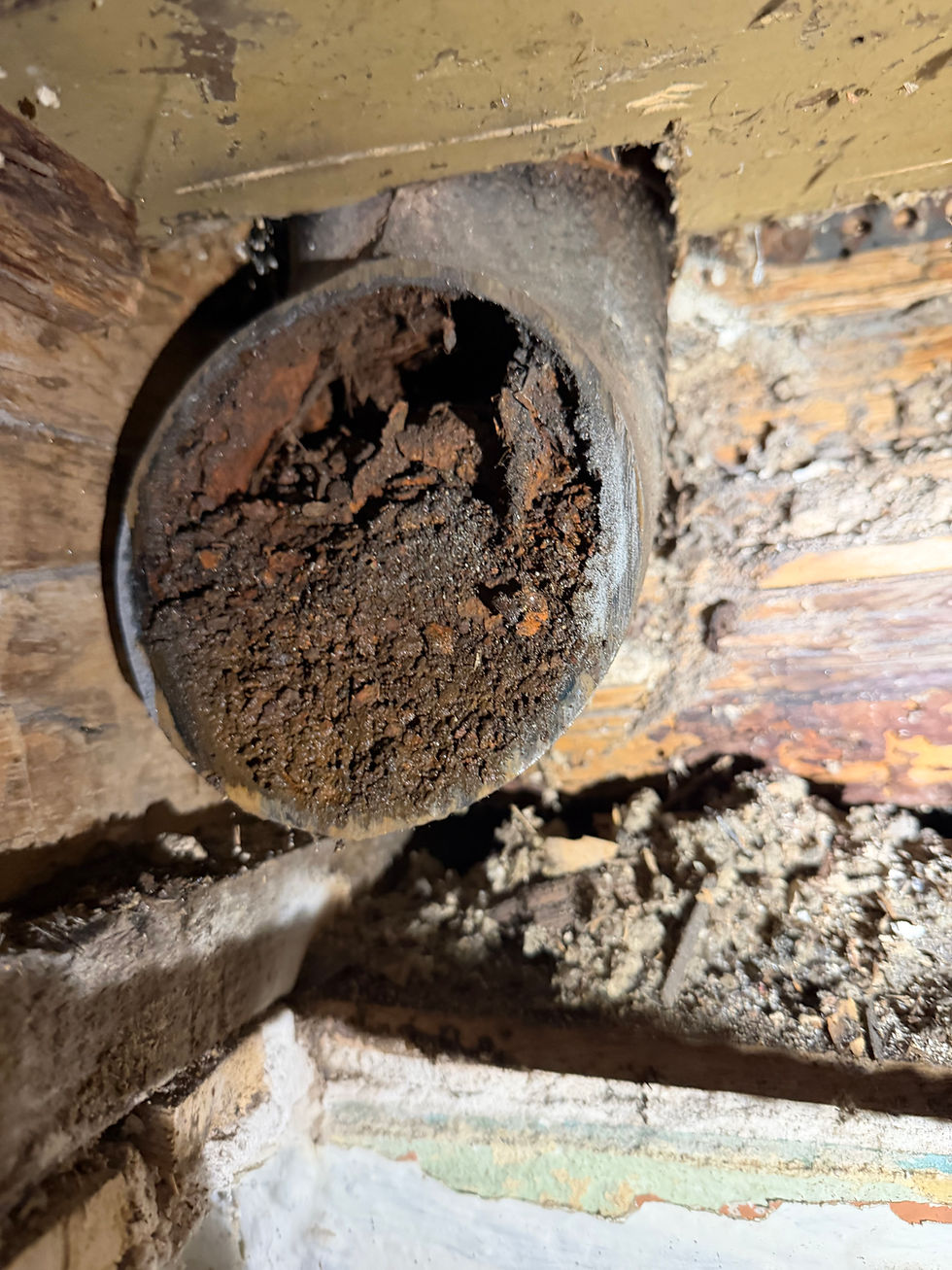
Corrosion: Copper pipes can corrode from the inside out, especially if the water chemistry is off.
Water Quality: Certain minerals and chemicals in water can wear down copper pipes.
Physical Damage: Pipes that are bent, scratched, or stressed during installation or repairs can develop weak spots.
Poor Installation: Using the wrong fittings or soldering techniques can create vulnerabilities.
Understanding these causes helps you take preventive measures and choose the right repair options.

Effective Copper Pipe Leak Solutions You Can Consider
When it comes to fixing leaks in copper pipes, you have several options depending on the severity and location of the leak. Here are some practical solutions:
Epoxy or Pipe Repair Kits
For small leaks, epoxy putty or pipe repair kits can be a quick fix. These products seal the hole temporarily and are easy to apply. However, they are not a permanent solution and should be used only as a stopgap until professional repairs can be made.
Pipe Clamps and Sleeves
These are metal or rubber clamps that wrap around the leaking section of the pipe. They provide a stronger seal than epoxy and can last longer. Still, they are best for temporary repairs or in hard-to-reach areas.
Section Replacement
The most reliable solution is to cut out the damaged section of the pipe and replace it with new copper piping. This method ensures the leak is fully resolved and prevents future issues in that area.
Re-piping
In cases where multiple leaks or widespread corrosion exist, re-piping the entire system might be necessary. This is a bigger project but can save money and headaches in the long run.
Water Treatment Systems
If water quality is causing corrosion, installing a water softener or filtration system can protect your pipes and extend their lifespan.
Each solution has its place, and a professional plumber can help you decide which is best for your situation.

Does Hard Water Cause Pinhole Leaks in Copper Pipes?
Hard water is water that contains high levels of minerals like calcium and magnesium. Many people wonder if hard water causes pinhole leaks in copper pipes. The answer is yes, but it’s a bit more complex.
Hard water itself doesn’t directly create pinhole leaks. Instead, the minerals in hard water can build up inside pipes, leading to scale deposits. These deposits can cause uneven water flow and increase pressure in certain areas. Over time, this stress can weaken the copper pipe walls and make them more susceptible to corrosion.
Additionally, hard water can interact with other chemicals in the water supply, creating a corrosive environment. This corrosion can eat away at the copper, eventually causing pinhole leaks.
If you live in an area with hard water, it’s a good idea to have your water tested and consider installing a water softener. This can reduce the risk of corrosion and protect your plumbing system.
How to Detect and Prevent Pinhole Leaks Early
Detecting pinhole leaks early can save you a lot of trouble. Here are some signs to watch for:
Water Stains or Discoloration: Look for yellow or brown stains on walls, ceilings, or floors.
Musty Odors: Persistent damp smells can indicate hidden leaks.
Low Water Pressure: A sudden drop in water pressure might mean a leak somewhere in the system.
Unexplained Increase in Water Bills: Leaks waste water and can cause your bills to spike.
To prevent pinhole leaks, consider these tips:
Regular Inspections: Have a plumber check your pipes periodically, especially if your home is older.
Maintain Water Quality: Use water treatment systems if needed.
Avoid Physical Damage: Be careful when doing renovations or repairs near plumbing.
Use Quality Materials: Ensure any plumbing work uses high-quality copper pipes and fittings.
Taking these steps can help you catch problems before they become emergencies.
When to Call a Professional for Copper Pipe Leak Solutions
While some minor repairs can be done on your own, pinhole leaks often require professional attention. Here’s when you should call a plumber:
If you notice water damage or mold growth.
When leaks are in hard-to-reach places.
If temporary fixes don’t stop the leak.
When multiple leaks appear in your plumbing system.
If you want to upgrade your plumbing to prevent future leaks.
A licensed plumber has the tools and expertise to diagnose the problem accurately and provide lasting solutions. They can also advise on water treatment options and help you plan any necessary upgrades.
Taking action quickly can protect your property and give you peace of mind.
If you want to learn more about pinhole leaks in copper pipes, feel free to reach out to a trusted local plumbing service. Proper care and timely repairs keep your plumbing running smoothly for years to come.


Comments