


Replace Old Pipes: Galvanized Pipe Replacement - Everything You Need

If you live in an older home or manage a business with aging plumbing, you might have galvanized pipes running through your walls. These pipes were once the standard for water supply lines, but over time, they can corrode, clog, and cause serious plumbing issues. Knowing when and how to replace old pipes is crucial to maintaining a safe and efficient water system. In this post, I’ll walk you through everything you need to know about galvanized pipe replacement, including signs to watch for, the best materials to use, and practical tips for a smooth upgrade.
Why You Should Replace Old Pipes Sooner Than Later
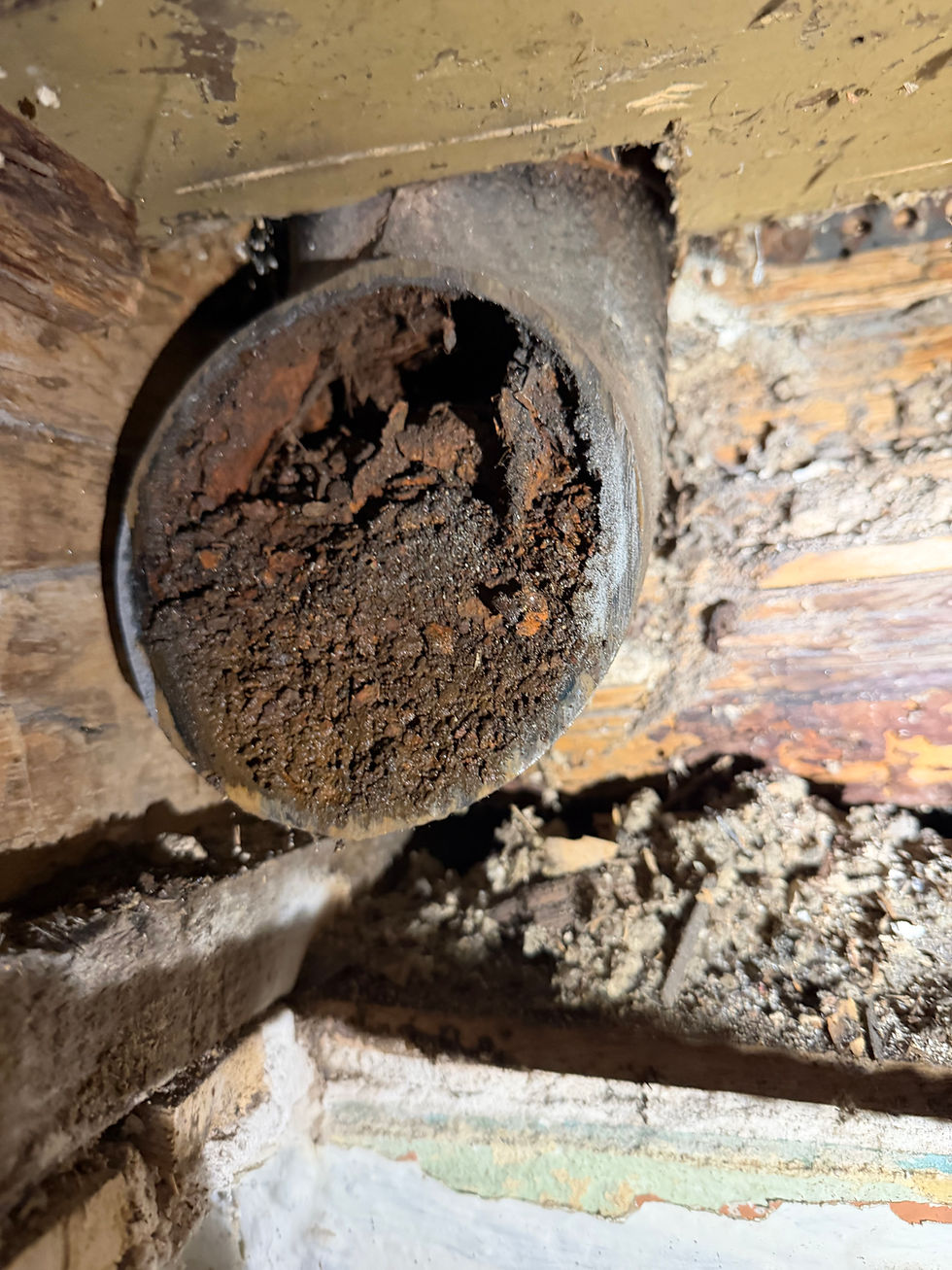
Galvanized pipes are steel pipes coated with zinc to prevent rusting. While this coating helped extend their lifespan, it’s not permanent. Over decades, the zinc wears off, and the pipes start to rust from the inside out. This corrosion leads to several problems:
Reduced water flow: Rust buildup narrows the pipe’s interior, causing low water pressure.
Discolored water: Brown or yellow water often indicates rust particles breaking off inside the pipes.
Leaks and bursts: Corroded pipes become weak and prone to leaks or sudden bursts.
Health concerns: Rust and contaminants can affect water quality, posing risks to your health.
If you notice any of these signs, it’s time to consider replacing old pipes. Waiting too long can lead to costly water damage and emergency repairs.

How to Replace Old Pipes: What You Need to Know
Replacing galvanized pipes is a significant project, but it’s manageable with the right approach. Here’s a step-by-step overview of what the process involves:
Assessment and inspection
A professional plumber will inspect your plumbing system to identify all galvanized pipes and assess their condition. This step helps determine the scope of replacement needed.
Planning the replacement
Depending on your home or business layout, the plumber will plan the best route for new pipes. This may involve opening walls or ceilings to access old pipes.
Choosing replacement materials
Selecting the right pipe material is essential for durability and performance. I’ll cover the best options in the next section.
Shutting off water supply
Before any work begins, the water supply must be turned off to prevent flooding.
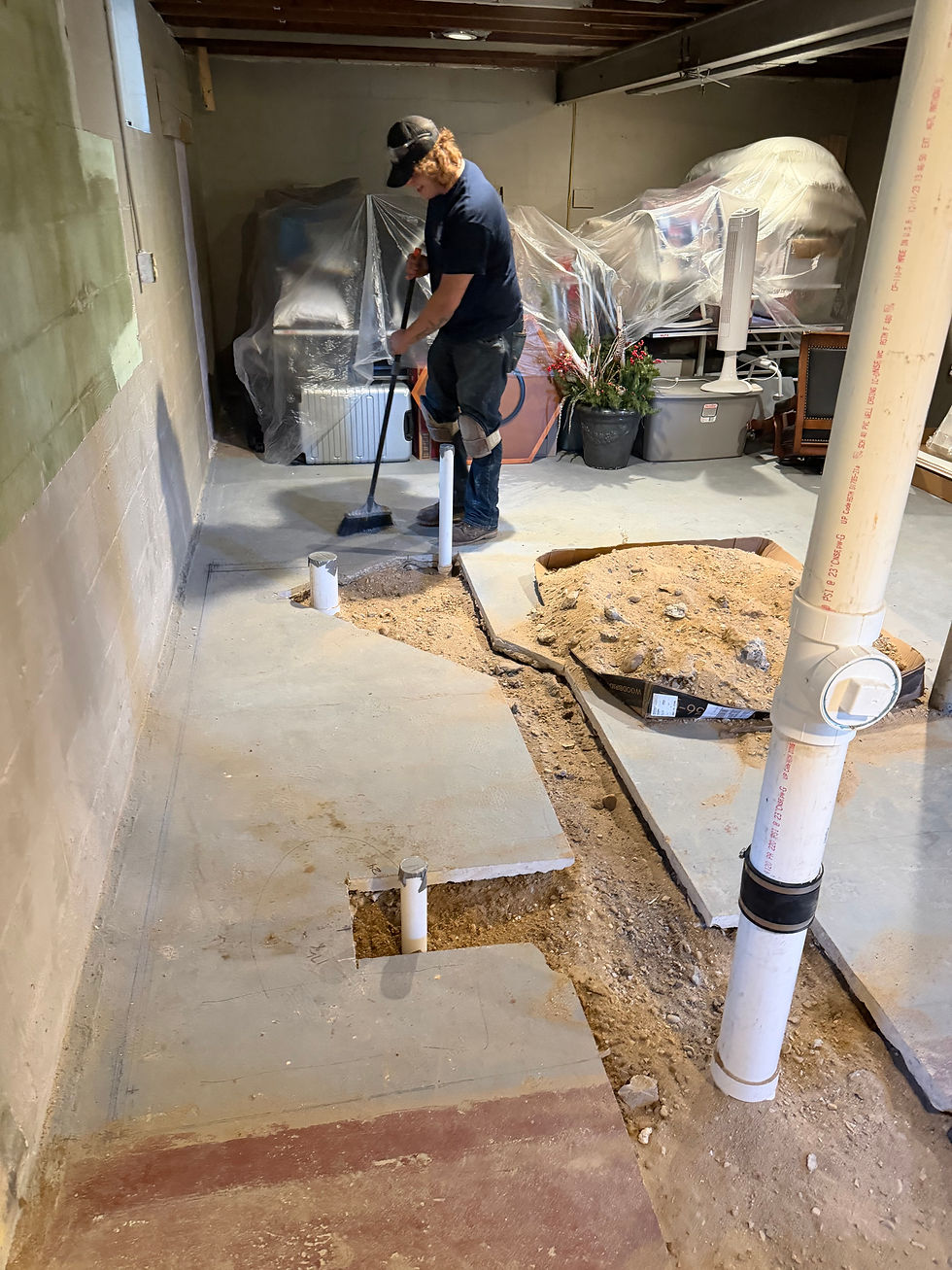
Removing old galvanized pipes
The plumber will carefully remove the corroded pipes, disposing of them safely.
Installing new pipes
New pipes are installed according to the plan, ensuring proper connections and support.
Testing the system
Once installed, the system is tested for leaks and water flow to confirm everything works perfectly.
Restoring walls and finishes
Any openings made during the replacement are repaired and restored to their original condition.
This process can take a few days depending on the size of your property and the extent of the replacement. It’s worth the effort to ensure your plumbing is safe and reliable.
What is Best to Replace Galvanized Pipe With?
When it comes to replacing galvanized pipes, you want a material that lasts longer, resists corrosion, and meets your budget. Here are the most common options:
Copper Pipes
Copper is a classic choice known for its durability and resistance to corrosion. It handles high temperatures well and has a long lifespan. Copper pipes are more expensive but offer excellent reliability.
PEX Pipes
Cross-linked polyethylene (PEX) pipes are flexible, easy to install, and resistant to scale and chlorine. They are cost-effective and ideal for both hot and cold water lines. PEX is becoming increasingly popular for residential and commercial plumbing.
CPVC Pipes
Chlorinated polyvinyl chloride (CPVC) pipes are rigid plastic pipes that resist heat and corrosion. They are less flexible than PEX but easier to work with than copper. CPVC is a good mid-range option.
Stainless Steel Pipes
Stainless steel offers superior corrosion resistance but comes at a higher price. It’s often used in specialized applications.
For most homeowners and businesses, PEX or copper pipes provide the best balance of cost, durability, and ease of installation. Your plumber can help you decide based on your specific needs and local water conditions.

Tips for a Smooth Galvanized Pipe Replacement Project
Replacing old pipes can feel overwhelming, but a few practical tips can make the process easier:
Hire a licensed plumber
Professional expertise ensures the job is done safely and up to code. They can also spot hidden issues you might miss.
Plan for temporary water shutoff
Coordinate with your plumber to schedule the replacement when water downtime is least disruptive.
Prepare your space
Clear areas around walls or ceilings where work will happen. Cover furniture and floors to protect from dust and debris.
Ask about warranties
Many plumbers offer warranties on their work and materials. This gives you peace of mind for the future.
Consider future upgrades
If you plan to renovate or expand your property, discuss options to install extra pipes or upgrade your system during replacement.
Budget for unexpected costs
Older homes may have surprises like hidden damage or outdated fittings. It’s wise to set aside a contingency fund.
By staying informed and proactive, you can turn galvanized pipe replacement into a smooth, stress-free upgrade.
Why Timely Pipe Replacement Protects Your Property
Delaying the replacement of galvanized pipes can lead to serious consequences. Rust and corrosion don’t just affect water quality and pressure - they can cause leaks that damage walls, floors, and foundations. Water damage often leads to mold growth, which is costly to remediate and harmful to health.
Replacing old pipes promptly helps you avoid:
Emergency plumbing repairs
Sudden pipe bursts can cause flooding and expensive emergency calls.
Decreased property value
Plumbing issues can deter buyers or lower your home’s market price.
Higher water bills
Leaks and inefficient pipes waste water and increase costs.
Health risks
Contaminated water from corroded pipes can cause illness.
Investing in pipe replacement is an investment in your property’s safety, comfort, and value. It’s a smart decision that pays off in the long run.
If you’re ready to upgrade your plumbing system, consider reaching out to a trusted local professional. They can provide a thorough inspection and guide you through the best options for your property. Remember, timely action today prevents costly headaches tomorrow.
For more detailed guidance on galvanized pipe replacement, check out trusted plumbing resources or contact a licensed plumber near you.
Your plumbing system is the backbone of your property’s comfort and safety. Taking care of it with proper pipe replacement ensures years of worry-free water flow.

Comments