


Installing a New Dishwasher Easily: A Guide to Dishwasher Plumbing Installation

Bringing a new dishwasher into your kitchen is a fantastic way to save time and keep your dishes sparkling clean. But the thought of setting it up might feel overwhelming. Don’t worry - with the right guidance, you can handle the dishwasher plumbing installation smoothly and confidently. I’ll walk you through the process step-by-step, sharing tips and tricks to make this task easier than you might expect.
Understanding Dishwasher Plumbing Installation Basics
Before diving into the installation, it’s important to understand the plumbing setup involved. A dishwasher connects to your home's water supply and drainage system. The key components you’ll work with include:
Water supply line: This brings water to the dishwasher.
Drain hose: This carries wastewater away.
Electrical connection: Powers the dishwasher.
Most dishwashers use a standard 3/8-inch water supply line and a drain hose that connects to the sink drain or garbage disposal. Knowing these basics helps you prepare the right tools and materials.
Tools and Materials You’ll Need
Adjustable wrench
Screwdriver (Phillips and flathead)
Drill (optional, for mounting brackets)
Teflon tape (for sealing water connections)
Dishwasher installation kit (includes water supply line, drain hose, and clamps)
Bucket or towels (to catch any water spills)
Having these ready will save you time and frustration during the installation.

Step-by-Step Dishwasher Plumbing Installation
Now, let’s get into the heart of the process. Follow these steps carefully to ensure a secure and leak-free installation.
1. Turn Off Water and Power
Safety first. Shut off the water supply valve under the sink and switch off the power to the dishwasher circuit at your breaker box. This prevents any accidents while you work.
2. Remove the Old Dishwasher (If Applicable)
If you’re replacing an old unit, disconnect the water supply line, drain hose, and electrical wiring. Carefully slide the dishwasher out from under the counter.
3. Connect the Water Supply Line
Attach the water supply line to the dishwasher’s inlet valve. Use Teflon tape on the threads to prevent leaks. Tighten the connection with an adjustable wrench, but avoid overtightening.
4. Attach the Drain Hose
Connect the drain hose to the dishwasher’s drain outlet. Secure it with a clamp. The other end should connect to the sink drain or garbage disposal inlet. Make sure the hose is looped upward to prevent backflow of water.
5. Connect Electrical Wiring
If your dishwasher plugs into an outlet, simply plug it in. For hardwired units, connect the wires according to the manufacturer’s instructions, matching colors (black to black, white to white, green to ground).
6. Slide the Dishwasher Into Place
Carefully push the dishwasher under the counter. Use mounting brackets to secure it to the countertop or cabinet sides. This prevents movement during operation.
7. Turn On Water and Power
Open the water supply valve and restore power at the breaker. Run a test cycle to check for leaks and proper drainage.

Can I Install a New Dishwasher Myself?
Absolutely! Installing a dishwasher is a manageable DIY project if you have some basic plumbing and electrical skills. Here are some considerations to help you decide:
Skill level: If you’re comfortable using tools and following instructions, you can do it.
Tools and materials: Make sure you have everything needed before starting.
Time: Set aside a few hours to complete the job without rushing.
Local codes: Check if your area requires permits or inspections for plumbing or electrical work.
If you feel unsure about any step, don’t hesitate to consult a professional plumber. Sometimes, a quick call can save you time and prevent costly mistakes.
Tips for a Smooth Dishwasher Installation
To make your dishwasher plumbing installation even easier, keep these tips in mind:
Read the manual: Every dishwasher model has specific instructions. Follow them closely.
Check for leaks: After installation, inspect all connections carefully.
Use a level: Ensure the dishwasher is perfectly level to avoid drainage issues.
Keep the drain hose loop high: This prevents dirty water from flowing back into the dishwasher.
Test multiple cycles: Run a few wash cycles to confirm everything works well.
These small steps can make a big difference in the longevity and performance of your new appliance.
When to Call a Professional
While many homeowners can handle dishwasher plumbing installation, some situations call for expert help:
Complex plumbing layouts or modifications
Electrical wiring beyond simple plug-in connections
Persistent leaks or drainage problems
Local regulations requiring licensed professionals
If you want peace of mind and a guaranteed job done right, hiring a trusted plumber is a smart choice.
For those ready to take on the project, you can install new dishwasher with confidence by following the steps above.
Enjoying Your New Dishwasher
Once your dishwasher is installed and running smoothly, you’ll enjoy the convenience it brings to your kitchen. No more hand-washing piles of dishes after meals. Plus, modern dishwashers are energy-efficient and water-saving, helping reduce your utility bills.
Remember to maintain your dishwasher by cleaning filters regularly and checking hoses for wear. This keeps it running efficiently for years to come.
Installing a new dishwasher doesn’t have to be a daunting task. With clear instructions, the right tools, and a bit of patience, you can complete the dishwasher plumbing installation yourself. Whether you choose to DIY or call in a professional, the result is a sparkling clean kitchen and more time to enjoy the things you love.
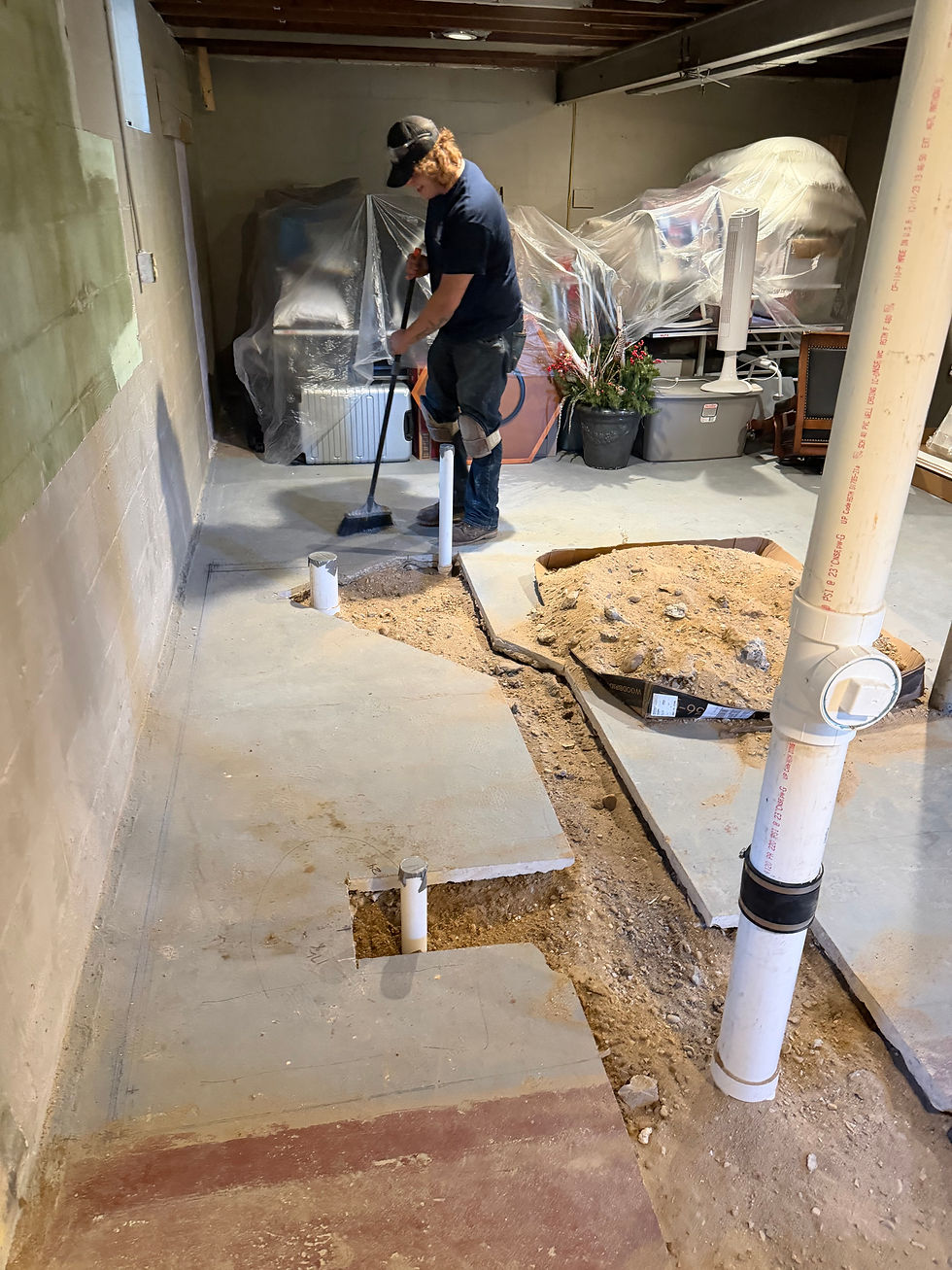

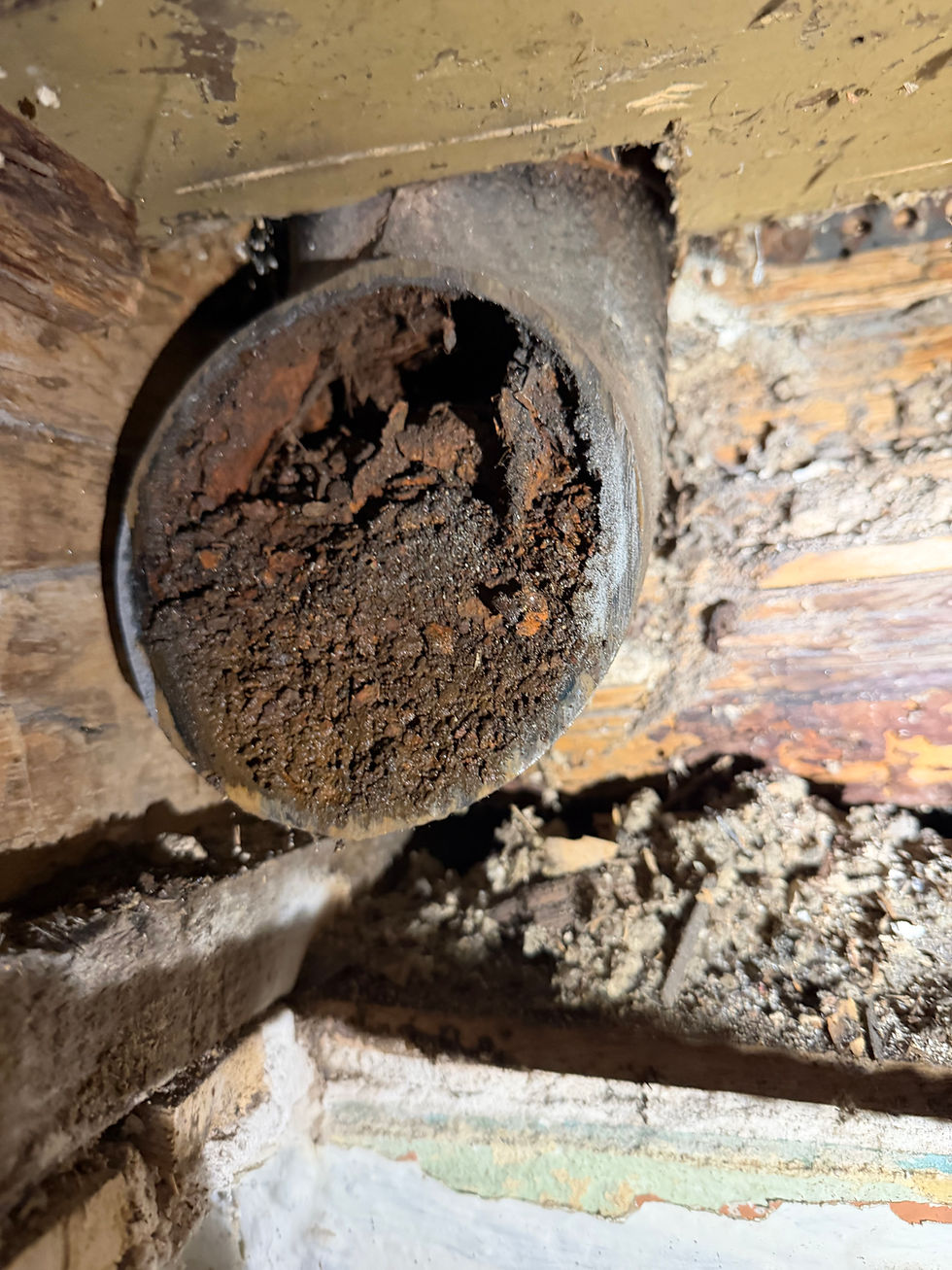
Installing a new dishwasher involves more than simply placing the appliance under the counter and connecting a few lines. Proper plumbing, drainage, leveling, and electrical connections all need to be handled carefully to prevent leaks and ensure reliable performance. This guide is helpful for homeowners because it explains the important steps involved in Dishwasher Installation and why proper setup matters from the start.