


Effective Tips for Home Water Treatment

When it comes to ensuring the water you use daily is safe and clean, taking the right steps at home can make a big difference. Whether you’re drinking, cooking, or bathing, water quality matters. I’ve learned that simple, effective measures can improve your water’s taste, safety, and overall quality without breaking the bank. Let me share some practical home water quality tips that have worked well and can help you maintain fresh, healthy water in your household.
Understanding Your Home Water Quality Tips
Before diving into solutions, it’s important to understand what affects your water quality. Water can carry minerals, chemicals, and even bacteria that impact its safety and flavor. For example, hard water contains high levels of calcium and magnesium, which can cause scale buildup in pipes and appliances. On the other hand, water from wells might have contaminants like iron or sulfur, leading to unpleasant odors or discoloration.
Here are some simple steps to start improving your water quality at home:
Test your water regularly: You can buy home testing kits or hire professionals to check for contaminants.
Use a water filter: Filters can remove chlorine, sediments, and other impurities.
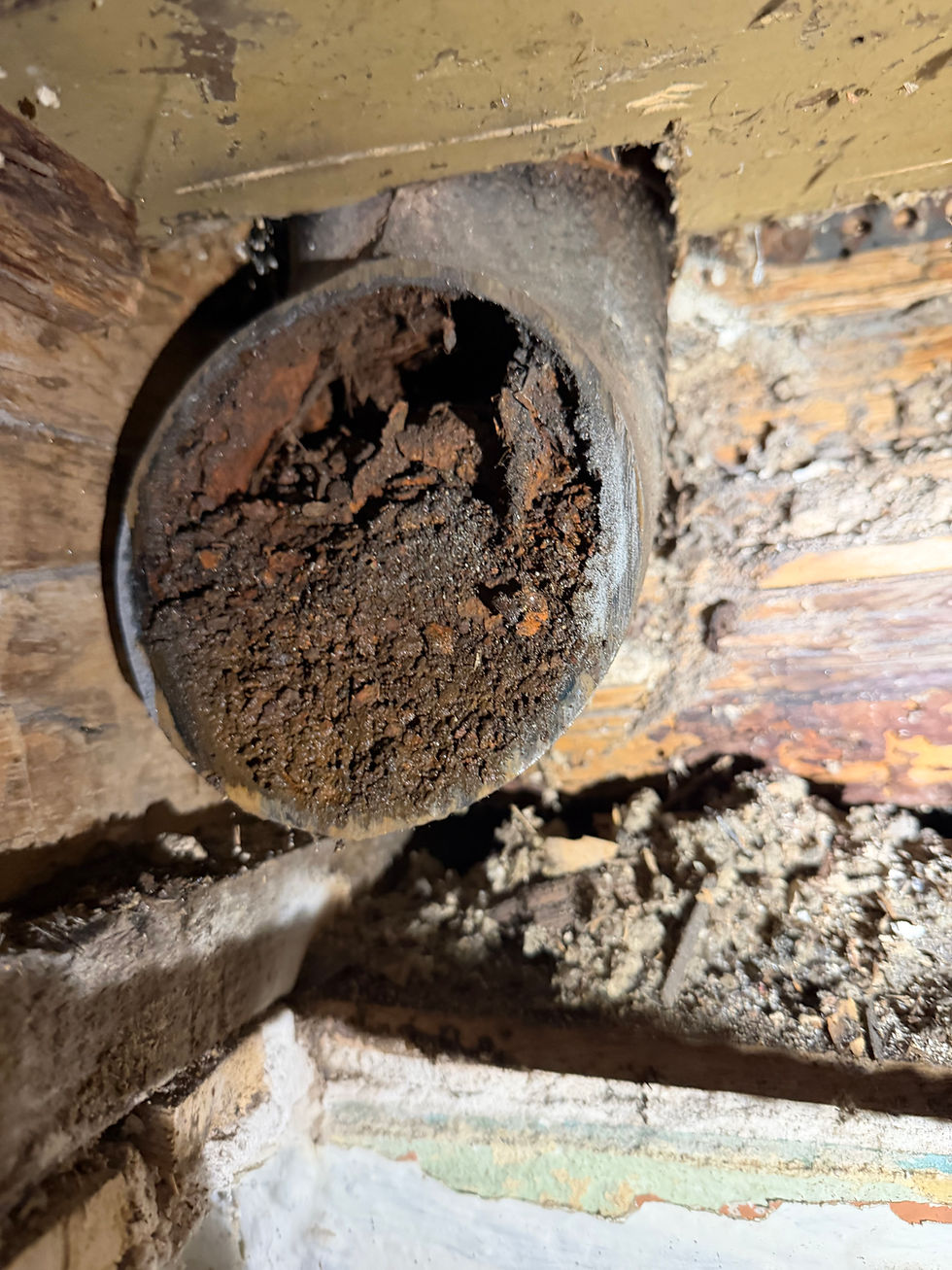
Maintain your plumbing: Old pipes can leach metals like lead into your water.
Flush your system: Running taps for a few minutes can clear stagnant water.
By paying attention to these factors, you’ll be better equipped to choose the right treatment methods for your home.

Choosing the Right Water Filtration System
Selecting the right filtration system depends on your water’s specific issues. Some common types include:
Activated Carbon Filters: Great for removing chlorine, bad tastes, and odors.
Reverse Osmosis Systems: Effective at filtering out heavy metals, salts, and many contaminants.
Water Softeners: Ideal for hard water, they reduce mineral buildup.
UV Purifiers: Use ultraviolet light to kill bacteria and viruses.
When choosing a system, consider your budget, water test results, and household needs. For example, if your water has a strong chlorine smell, an activated carbon filter might be enough. But if you have well water with bacteria concerns, a UV purifier combined with filtration could be necessary.
Installation and maintenance are also key. Some systems require professional setup, while others are DIY-friendly. Regularly changing filters ensures your system works efficiently.

What are the four types of water treatment?
Water treatment at home generally falls into four main categories, each addressing different water quality issues:
Physical Treatment: This involves removing particles and sediments through filtration or sedimentation. It’s the first step in many water treatment processes.
Chemical Treatment: Chemicals like chlorine or ozone are added to disinfect water and kill harmful microorganisms.
Biological Treatment: This method uses natural processes, such as bacteria, to break down organic contaminants.
Advanced Treatment: Techniques like reverse osmosis and UV purification fall here, targeting specific contaminants for thorough cleaning.
Understanding these types helps you decide which combination suits your home’s water needs best.
Maintaining Your Water System for Long-Term Quality
Once you’ve installed a water treatment system, keeping it in good shape is crucial. Here are some tips to maintain your system and ensure consistent water quality:
Regularly replace filters: Follow manufacturer guidelines to avoid clogging and reduced effectiveness.
Schedule professional inspections: A plumber can check for leaks, corrosion, or other issues.
Clean storage tanks: If your system includes a tank, clean it periodically to prevent bacterial growth.
Monitor water quality: Keep an eye on taste, smell, and appearance. Sudden changes may signal a problem.
By staying proactive, you’ll protect your investment and enjoy clean water every day.
Why Professional Help Matters in Water Treatment
While DIY solutions can be helpful, some water quality issues require expert attention. Professionals can:
Conduct detailed water testing beyond basic kits.
Recommend tailored treatment options based on your water profile.
Install complex systems safely and correctly.
Provide ongoing maintenance and emergency repairs.
If you want to ensure your home’s water is treated effectively, consider reaching out to trusted local experts. For example, water treatment services in Waukesha and nearby Wisconsin communities offer reliable solutions backed by experience and customer satisfaction.
Taking this step can save you time, money, and stress in the long run.
Taking Charge of Your Home’s Water Quality
Improving your home’s water quality is a smart investment in health and comfort. By understanding your water’s condition, choosing the right filtration system, and maintaining it properly, you can enjoy fresh, clean water every day. Remember, professional help is always available if you need it.
Start with a simple water test, explore your options, and take action. Your family deserves the best water possible, and with these tips, you’re well on your way to achieving it.

Comments